Eco-Chic Beauty: How Sustainability Is Driving the 2025 Makeup Industry
The makeup industry is undergoing a significant transformation in 2025, with sustainability becoming a key driver of change. As consumers become increasingly conscious of environmental impact, brands are rethinking their practices, from packaging and formulations to ingredient sourcing. “Eco-chic” beauty, once seen as niche, is now at the forefront of industry innovation, with sustainable practices influencing everything from product design to consumer behavior. This article explores how sustainability is shaping the makeup sector in 2025 and what it means for both professionals and consumers.
Why Sustainability Matters Now in Makeup?
The beauty industry has long been criticized for its environmental footprint, especially in areas like packaging, chemical processing, and waste. The cosmetic sector accounts for a significant portion of global plastic production, and a large percentage of packaging still ends up in landfills. In fact, the carbon footprint of makeup products can be halved through more sustainable sourcing, smarter manufacturing processes, and improved packaging. As environmental concerns rise, consumers are demanding more eco-friendly products, prompting a shift toward greener practices across the board.
The Tipping Point for Sustainability
In 2025, sustainability in beauty is no longer just a trend—it’s a necessity. Key factors driving this shift include:
● Consumer demand for more ethical and sustainable choices.
● Regulatory pressure for increased transparency in supply chains.
● Innovation in materials and packaging, including refillable and recyclable options.
● The convergence of fashion and beauty industries, with both sectors embracing eco-consciousness.
What Sustainability Looks Like in the 2025 Makeup Industry
Refillable and Circular Packaging
A major trend in 2025 is the adoption of refillable packaging. Instead of throwing away the entire product, consumers can now buy refills for reusable cases. This not only reduces waste but also promotes a circular economy where products are designed for reuse rather than disposal. Many brands are introducing modular packaging that allows users to replace only the parts of a product they’ve used up, minimizing waste.
Waterless and Minimal-Waste Formulations
The beauty industry is also moving toward waterless and minimal-waste formulations. By reducing the use of water in products like powders and solids, brands are able to cut down on water consumption and reduce packaging weight. Waterless beauty products are more concentrated and travel-friendly, making them a popular choice for eco-conscious consumers.
Clean and Ethical Formulations
In addition to packaging, the ingredients in makeup products are also evolving. Consumers are increasingly looking for vegan, cruelty-free, and ethically sourced ingredients. Plant-based pigments and bio-sourced materials are replacing traditional chemical colorants, offering a more sustainable alternative while maintaining product quality and performance.
Supply-Chain Transparency
Sustainability doesn’t stop at the product itself—it extends to the entire supply chain. Brands are adopting transparent labelling practices that allow consumers to trace ingredients from source to final product. This openness helps build trust with customers who are increasingly looking for ethical sourcing, fair labor practices, and low environmental impact.
Inclusivity and Sustainability
Eco-conscious beauty is also becoming more inclusive. Brands are expanding their shade ranges and creating products that cater to all skin tones while ensuring that sustainability remains a core principle. This shift toward inclusivity ensures that sustainable beauty is accessible to everyone, not just a select few.
Sustainability is no longer just a buzzword in the beauty industry—it’s a driving force shaping the future of makeup. As consumers become more conscious of their environmental impact, beauty brands are rising to the challenge by offering products that are not only high-quality but also eco-friendly. From refillable packaging to clean formulations, the eco-chic beauty trend is set to dominate the industry in 2025 and beyond. Whether you're a brand, a beauty professional, or a consumer, the shift toward sustainable beauty is an opportunity to look good while doing good for the planet.
RELATED GUIDES

Layering Textures in Your Outfit: From Shearling to Satin to Faux-Fur
Fashion is an ever-evolving art form that allows individuals to express their personality, creativity, and mood through clothing. One of the most effective ways to elevate an outfit is by layering textures.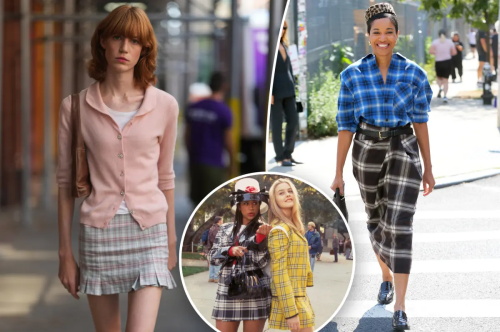
How the ’90s Plaid Resurgence Is Shaping Fall 2025 Street Style?
Fashion is cyclical, and few patterns have proven this better than plaid. As we head into fall 2025, plaid is no longer just a seasonal print—it’s a statement.
Prints to Embrace This Season: From Plaid to Animal to Abstract
As the fashion world continues to evolve, the Fall/Winter 2025 season introduces a dynamic array of prints that cater to diverse tastes and styles.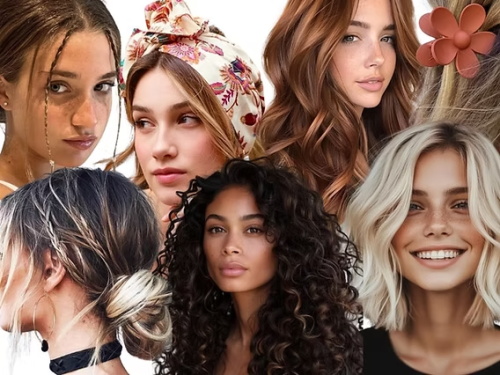
Hair Trends 2025: More Than Just Cut — Colour, Texture & Accessories
The year 2025 marks a transformative era in hair fashion, where innovation meets nostalgia, and individuality is celebrated like never before.