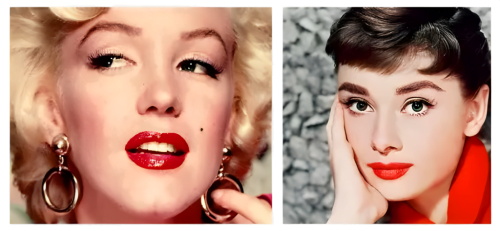
How K-Beauty, J-Beauty & More Influence 2025?
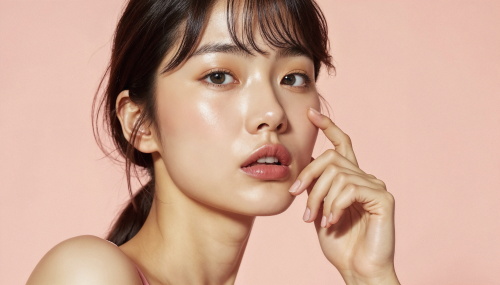
In 2025, the global beauty landscape is experiencing a profound transformation, driven by the convergence of cultural philosophies, technological advancements, and a collective desire for authenticity and self-expression. At the forefront of this revolution are K-Beauty (Korean Beauty), J-Beauty (Japanese Beauty), and emerging global beauty movements that are reshaping skincare routines, product formulations, and consumer expectations worldwide.
The Rise of K-Beauty: Innovation and Influence
K-Beauty has long been celebrated for its innovative approach to skincare, characterized by multi-step routines, cutting-edge formulations, and a deep integration of technology. In 2025, K-Beauty continues to dominate the global beauty scene, with several key trends leading the way:
1. Advanced Skincare Technologies
Korean skincare brands are at the forefront of incorporating advanced technologies into their products. From AI-powered skin diagnostics to personalized skincare solutions, the integration of technology allows for more tailored and effective treatments. This tech-savvy approach appeals to consumers seeking precision and customization in their beauty routines.
2. Innovative Ingredients and Formulations
K-Beauty is known for its use of unique and effective ingredients, such as snail mucin, propolis, and fermented botanicals. These ingredients are celebrated for their ability to hydrate, repair, and rejuvenate the skin. In 2025, Korean brands continue to push the boundaries of skincare science, introducing new formulations that address a wide range of skin concerns.
3. Influence of Korean Pop Culture
The global popularity of K-pop and Korean dramas has significantly influenced beauty standards and trends worldwide. Celebrities and influencers often set the tone for beauty aesthetics, promoting products and routines that emphasize youthful, radiant skin. This cultural influence has led to a surge in the demand for K-Beauty products across various markets.
J-Beauty: Embracing Minimalism and Sustainability
In contrast to the elaborate routines of K-Beauty, J-Beauty emphasizes simplicity, quality, and sustainability. The Japanese approach to skincare is rooted in a deep respect for nature and tradition, focusing on holistic well-being and the use of time-honored ingredients.
1. Simplified Skincare Routines
Japanese beauty rituals often consist of fewer steps, prioritizing efficacy and mindfulness over complexity. This minimalist approach appeals to consumers seeking straightforward and effective skincare solutions without the overwhelm of lengthy routines.
2. Natural and Sustainable Ingredients
J-Beauty brands are renowned for their use of natural ingredients, such as rice bran, green tea, and camellia oil. These components are celebrated for their gentle yet effective properties, promoting healthy skin without harsh chemicals. Additionally, sustainability is a core value, with many brands adopting eco-friendly packaging and ethical sourcing practices.
3. Cultural Influence and Aesthetic Appreciation
Japanese beauty culture places a strong emphasis on aesthetics and the art of skincare. The appreciation for beauty extends beyond the skin to encompass the entire experience, including the design of products and the rituals associated with their use. This cultural perspective has resonated with global consumers seeking products that offer both functionality and beauty.
Global Beauty Movements: Diversity and Inclusivity
Beyond K-Beauty and J-Beauty, 2025 sees the emergence of diverse beauty movements that celebrate individuality, inclusivity, and cultural heritage. These movements are challenging traditional beauty standards and promoting a more inclusive and representative beauty industry.
1. Embracing Diverse Beauty Standards
Consumers are increasingly rejecting narrow definitions of beauty and embracing a more inclusive range of appearances. This shift is reflected in the growing popularity of brands that cater to diverse skin tones, hair types, and cultural backgrounds, ensuring that beauty products are accessible and relevant to a broader audience.
2. Focus on Authenticity and Self-Expression
The desire for authenticity has led to a rise in beauty trends that encourage self-expression and individuality. Consumers are seeking products that allow them to express their unique identities, leading to the popularity of customizable beauty solutions and the acceptance of natural features.
3. Integration of Wellness and Beauty
The convergence of wellness and beauty is a prominent trend in 2025, with consumers seeking products that promote overall well-being. This includes skincare formulations that support mental health, stress relief, and holistic wellness, reflecting a broader understanding of beauty as interconnected with physical and emotional health.
In 2025, the global beauty industry is characterized by a rich tapestry of influences, from the innovative spirit of K-Beauty and the minimalist elegance of J-Beauty to the diverse and inclusive global beauty movements. This convergence is reshaping beauty rituals, product formulations, and consumer expectations, leading to a more personalized, sustainable, and culturally rich beauty landscape. As consumers continue to seek authenticity, efficacy, and inclusivity, the beauty industry must adapt and evolve to meet these demands, embracing the fusion of cultures and innovations that define the future of beauty.
RELATED GUIDES

How the ’90s Plaid Resurgence Is Shaping Fall 2025 Street Style?
Fashion is cyclical, and few patterns have proven this better than plaid. As we head into fall 2025, plaid is no longer just a seasonal print—it’s a statement.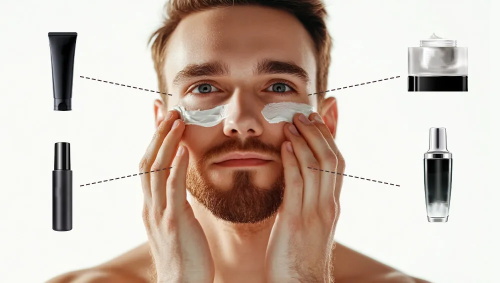
How Male Makeup & Skincare Trends Shape the Market?
In recent years, the men’s beauty and grooming industry has experienced a remarkable transformation.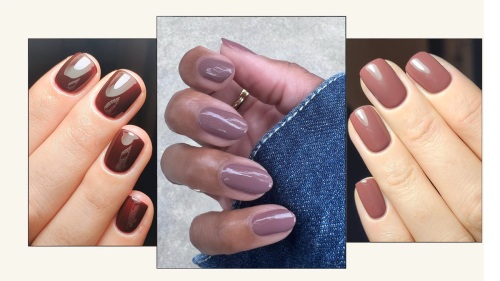
The ‘Rum Raisin’ Shade & Rich Autumn Mani 2025
As the crisp air of autumn settles in, fashion and beauty enthusiasts eagerly anticipate the seasonal shift in color palettes.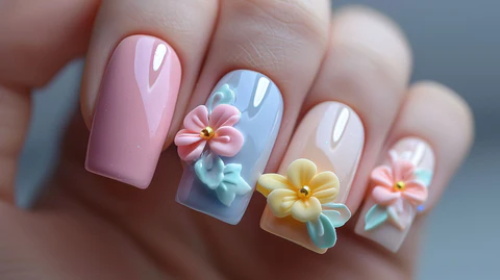
3D Nail Art Is Making a Comeback — What That Means for Your Manicure
Nail art has always been more than a beauty trend — it’s a form of self-expression, a reflection of mood, creativity, and even cultural influences.