Makeup Meets Tech: How AI & Smart Tools Are Changing Beauty in 2025
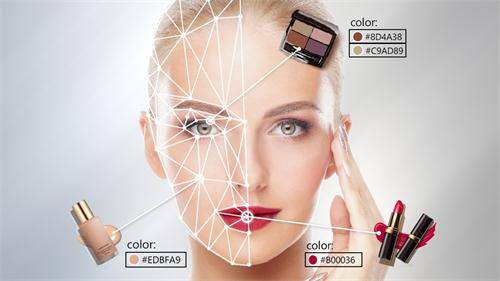
In 2025, the beauty industry is undergoing a profound transformation, driven by the integration of artificial intelligence (AI), augmented reality (AR), and smart technology. These innovations are not only enhancing the way consumers experience beauty but are also reshaping the entire landscape of skincare, makeup, and personal care. From personalized skincare routines to virtual makeup try-ons, the convergence of beauty and technology is ushering in a new era of self-expression and convenience.
The Rise of AI-Powered Personalization
One of the most significant advancements in beauty tech is the ability to offer hyper-personalized experiences. AI algorithms can now analyze an individual's skin type, tone, texture, and even environmental factors like humidity and pollution levels to recommend tailored skincare and makeup products. Devices like L'Oréal's Perso utilize real-time data to create custom formulations on demand, ensuring that each product meets the unique needs of the user.
This level of personalization extends beyond skincare. AI-driven tools can suggest makeup shades that complement one's complexion, enhancing the overall aesthetic appeal. Virtual try-on technologies, powered by AR, allow users to experiment with different looks without physically applying products, making the beauty routine more interactive and fun.
Smart Devices Revolutionizing Beauty Routines
The advent of smart beauty devices has revolutionized daily routines. At-home tools now replicate professional treatments that were once exclusive to salons. For instance, LED light therapy masks and microcurrent devices are commonly used to improve skin elasticity and firm facial contours. These devices are equipped with sensors that adjust settings based on real-time skin analysis, ensuring optimal results.
Haircare has also seen significant innovation. Smart hair tools now offer features that reduce heat damage and enhance styling efficiency. Devices can analyze hair condition and adjust temperature and styling techniques accordingly, promoting healthier hair with every use.
The Role of Smart Mirrors in Beauty Tech
Smart mirrors have become a staple in modern beauty routines. Equipped with AI and dermatology-grade cameras, these mirrors analyze the skin's condition daily, providing insights into hydration levels, oil production, and inflammation. Based on this analysis, they suggest product adjustments and track progress over time, offering a comprehensive view of one's skincare journey.
These mirrors often integrate with other smart devices, creating an interconnected ecosystem that streamlines the beauty routine. For example, a smart mirror might sync with a smart cleanser to adjust its intensity based on the skin's needs, ensuring a personalized and effective cleansing experience.
AI in Beauty Product Development
AI is not only changing how consumers interact with beauty products but also how these products are developed. Beauty brands are leveraging AI to analyze consumer preferences, predict trends, and formulate products that meet the evolving demands of the market. This data-driven approach allows for quicker innovation cycles and more targeted product offerings.
Moreover, AI assists in creating inclusive products that cater to a diverse range of skin tones and types. By analyzing vast amounts of data, AI can identify gaps in the market and help brands develop products that address the needs of underrepresented groups.
The convergence of makeup and technology in 2025 marks a significant shift in the beauty industry. AI and smart tools are not merely enhancing existing products and services but are fundamentally changing how beauty is experienced and understood. From personalized skincare routines to virtual makeup try-ons, technology is empowering consumers to take control of their beauty journeys in ways that were once unimaginable.
As the industry continues to innovate, the fusion of beauty and technology promises to unlock new possibilities for self-expression, inclusivity, and sustainability. The future of beauty is not just about looking good; it's about feeling confident, informed, and connected in an increasingly digital world.
RELATED GUIDES
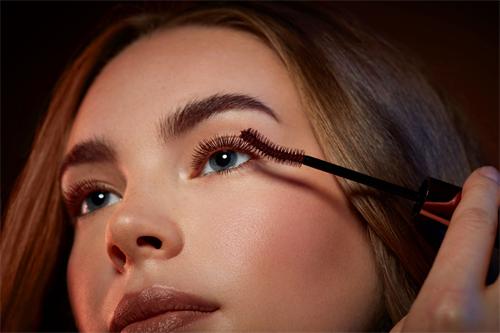
Monochrome Makeup: The Art of Harmonizing Lips, Cheeks, and Eyes with One Shade
Historically, monochrome makeup was associated with minimalist aesthetics, often featuring neutral tones to achieve a subtle, understated look.
Layering Textures in Your Outfit: From Shearling to Satin to Faux-Fur
Fashion is an ever-evolving art form that allows individuals to express their personality, creativity, and mood through clothing. One of the most effective ways to elevate an outfit is by layering textures.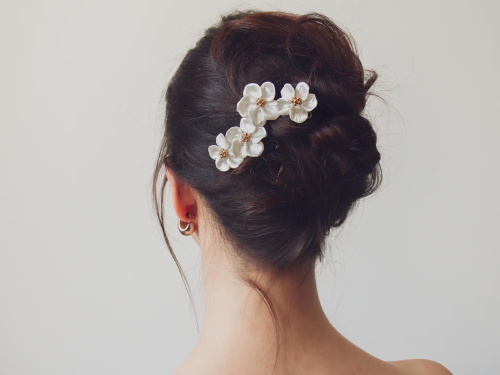
Flower Power in Hair: Botanicals and Blooms Are the 2025 Hair Accessory Go-To
In a time marked by sustainability and natural beauty, it’s no surprise that the fashion world is gravitating toward organic inspirations.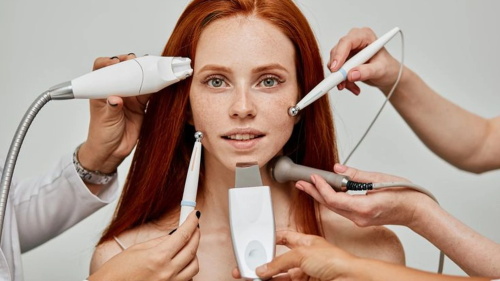
Beauty Tools Getting Smarter: From LED Masks to AI Shade Matchers
In the ever-evolving world of beauty and skincare, technology is no longer a mere accessory—it's the cornerstone of innovation.